The 30-Minute Wind-Down
For busy evenings:
- 19:30 – Dim lighting, close work
- 19:35 – Gentle stretching (5 min)
- 19:45 – Herbal tea or water
- 19:50 – Journaling or reading (10 min)
- 20:00 – Bed ready; lights out
Discover activities and techniques many find supportive for evening transition. Individual results vary—personalisation is key.
Intentional breathing activates the parasympathetic nervous system, signalling calm. Here are commonly explored techniques:
Disclaimer: These are educational descriptions of common practices. Individual responses vary. If breathing becomes uncomfortable, stop and consult a healthcare provider.
Light, low-intensity movement can ease physical tension without over-stimulating:
Important: If you have mobility concerns or injuries, consult a physiotherapist. Movement should feel gentle, never forced.
Intentional mental practices can quiet the mind and prepare it for sleep:
Note: Meditation is not a replacement for mental health treatment. If you experience intrusive thoughts or anxiety, seek professional support.
Low-key creative or reflective practices encourage mental wind-down:
Key principle: Choose activities you genuinely enjoy and find calming—obligation defeats the purpose.
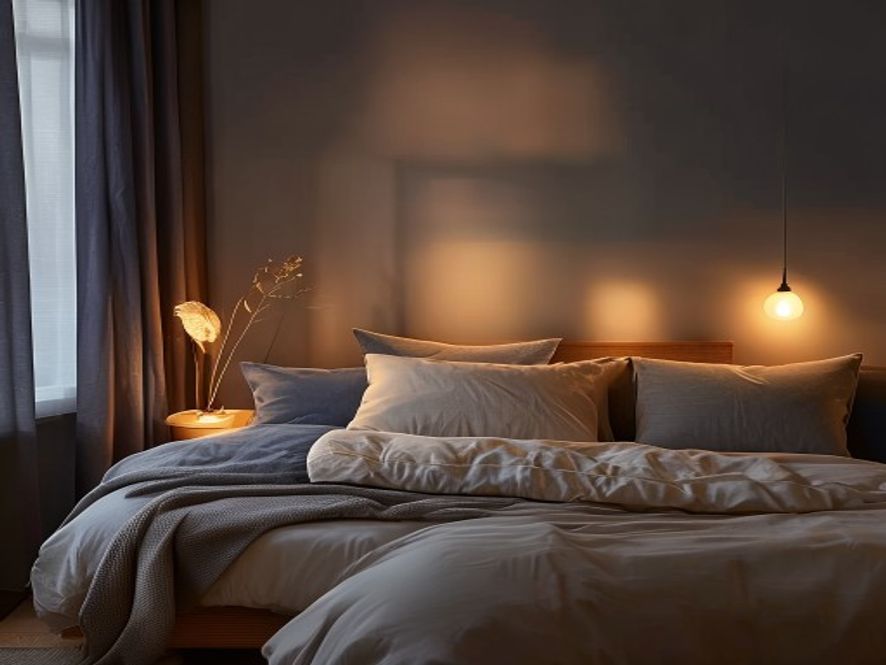
Your physical environment influences readiness for sleep. Consider these modifiable elements:
Small adjustments to your environment can meaningfully support your evening routine.
These are illustrative templates. Your personalised routine will differ based on your schedule, preferences, and environment. Use these as inspiration, not prescription.
For busy evenings:
For deeper transition:
For those who prefer creative outlet:
These are illustrative examples. Your routine should reflect your actual schedule, preferences, and what you find calming.
Vigorous workouts 3+ hours before bed can elevate heart rate and body temperature, delaying sleep onset.
Caffeine's half-life is 5–6 hours. Avoid after 14:00 if sleep is at 22:00. Also limit sugar and heavy spices.
Blue light from phones, tablets, and computers suppresses melatonin. Aim for a 30–60 minute screen-free buffer.
Stressful discussions or conflict-resolution attempts late evening can activate the nervous system, delaying sleep.
Digestion can interfere with sleep. A light snack is fine; heavy meals 2–3 hours before bed are less ideal.
Whilst alcohol may feel sedating initially, it disrupts sleep architecture and reduces sleep quality overall.
The practices listed above are common and frequently reported as helpful. However, what works for one person may not for another. Personalisation is essential:
Explore which practices resonate with you and let us help you build a sustainable routine.
Start Your Journey